
Sometimes when we are researching family history it seems we have nothing to go on – no photos, no family memories, just the odd document, a faraway whisper that proves that person existed and is related to you. However, it is possible to build a story, with some ‘digi’ and ‘geni’ knowhow, to make that person come alive a little in our imagination. This is what happened when I attempted to build a picture of the life of Ellen Pursell, a distant relative on my dad’s side.
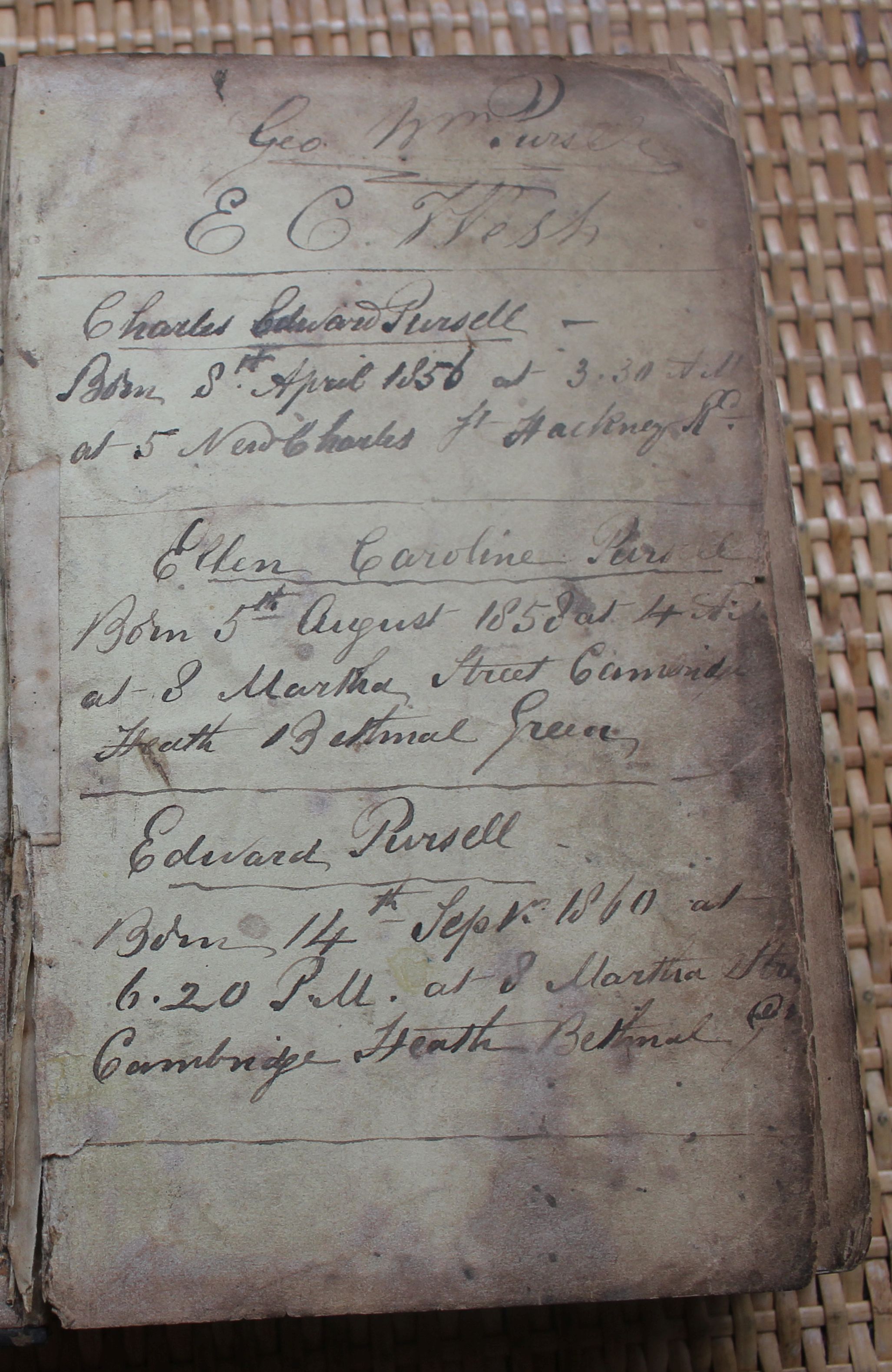
Ellen Caroline Wheatley (née Pursell) was the aunt of my Nanna Cockrill (aka Aunty Florrie). To put it another way, Ellen was the sister of my great grandfather Charles Edward Pursell. We can see Ellen’s birth details beautifully handwritten in the family bible by her father George Pursell (he started life as a builder’s clerk so his writing was pretty good). On the page, she is between Charles and her younger brother Edward who died when he was 18. Her father notes she was born at 4 am on 5 August 1858 at 8 Martha Street, Cambridge Heath, Bethnal Green. (Today you will find Martha Street, running parallel with Cable Street, just behind the Shadwell Light Rail station).
Of the 13 children, my great grandfather Charles had four younger sisters and one brother who survived adulthood. Of these all stayed in the Hackney area apart from Ellen who moved to Hammersmith while another sister Ada emigrated to Canada at about the same time. In those days, both moves meant considerable distances (both re mileage and class) difficult to overcome by relatives: financially, mentally, emotionally. We don’t know whether the families were close or met up again.
Our family tree can be found here to help understand all the names and relationships!
So here is Ellen’s story, recreated using Ancestry, FindMyPast, British Newspaper Archive and various other online resources, with help from the Pursell family bible, which began the ball rolling.
Sunday 30 December 1888 was a typical wintry day in London. There were ‘north and north easterly winds, light or moderate, cloudy to fine, and some fog at night’ according to the weather forecast of the day. Records show that it got as low as -7C (19F) although there was no snow. The latter had come (to the surprise of all), in July that year when bitterly cold weather prevailed over the whole of the UK.
But I digress. We’re gathered here for the wedding of Ellen Caroline Pursell and John George Wheatley at St Giles-in-the-Fields parish church. Today, you’ll find this historic Palladian style church with its distinctive spire, tucked into a triangular block in the bustling theatre land of London’s West End. It’s between Charing Cross Road and Shaftesbury Avenue, about a 5-minute walk from Tottenham Court Road Tube station.

Today, you can access the church via Denmark Street, or a small alley, Flitcroft Street, named for the church’s architect Henry Flitcroft (who, amongst his claims to fame, remodeled Woburn Abbey for the 4th Duke of Bedford). A place of worship has been on this site since 1101 when Queen Matilda founded a leper hospital here, and a chapel was built for the village that grew up to service the hospital. It’s difficult to believe that St Giles was outside the city of London, hence the isolation of the lepers here. It later became the site of two plague pits from the Black Death, as well as where condemned criminals stopped to take a drink enroute to their execution at the Tyburn tree (close to today’s Marble Arch). A new church was built in the early 17th century and was then replaced by Flitcoft’s church in 1730-34.
However, the interest in the church’s early history has now been overtaken by the more recent past, as nearby Denmark Street has been associated with British pop music since the 1950s – where the likes of the Rolling Stones, David Bowie, the Small Faces, Elton John, and the Sex Pistols lived or worked here.
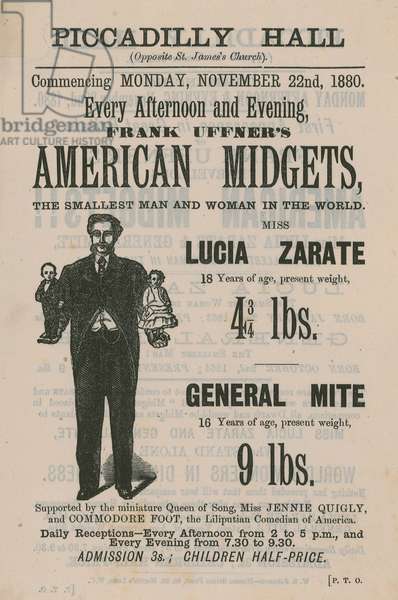
None of this, of course, was likely to be of any interest to Ellen or John. They were simply being married in their local Parish church. John had been born in nearby Soho and in the 1880s was still living there. Ellen was born and brought up in Bethnal Green, but by the 1881 Census, she was 21 years old and residing at 23 Piccadilly, in London’s Mayfair. She was one of three domestic servants living with the family of William Keene who ran a business making breeches, employing 16 men and 5 women. Next door was St James’ Hall, once London’s principal concert hall before it was demolished in 1904 (as well as their home) to make way for what was to become one of London’s most luxurious hotels. A few doors down, and also later knocked down, was Piccadilly Hall from whence the street got its name. Piccadilly Hall was the name given to a mansion of a tailor who had made his fortune making and selling ‘piccadils’, stiff ruffs that were fashionable in the 17th century. The thoroughfare, originally known as Portugal Street, eventually became Piccadilly. In the 1880s, Piccadilly Hall was being used to present a kind of freak show, ‘The Royal American Midgets’ popular at the time, but confronting by today’s standards. The 1881 census lists the Flynn and Zarate family, including 16-year-old Francis Joseph Flynn (known as General Mite), and 18-year-old Lucia Zarate, described as ‘exhibit, Midget 20 inches in height. The posters of the time greatly exaggerate their size.
Today, you will find Ellen’s former lodgings a branch of the retail company Cotswold Outdoor World, which has a frontage in the vast 5-star hotel currently known as ‘The Dilly’, a descendent of the former Piccadilly Hotel.

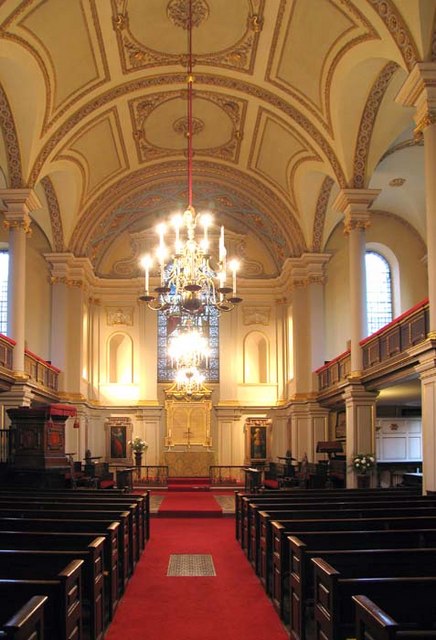
And so we imagine Ellen and John being married before the imposing golden altar of St Giles. They then turn to walk towards the West door, to their new life as husband and wife, passing beneath the immense pipe organ dating back to the 17th century, located on the balcony above.

During the early years of their marriage, Mr and Mrs Wheatley remained in central London. Ellen worked as a kitchen maid before motherhood while John continued his profession as a French polisher. They resided at 57 Huntley Street (WC1E 6DD) in Bloomsbury, now the site of the Royal National ENT and Eastman Dental Hospitals and surrounded by buildings connected with UCL (University College London) or University College Hospital. However, the buildings opposite the site of their home are still the typical 19th century terraces with basements, 3 storeys and rooftop flats, which give an idea of their accommodation at this time.
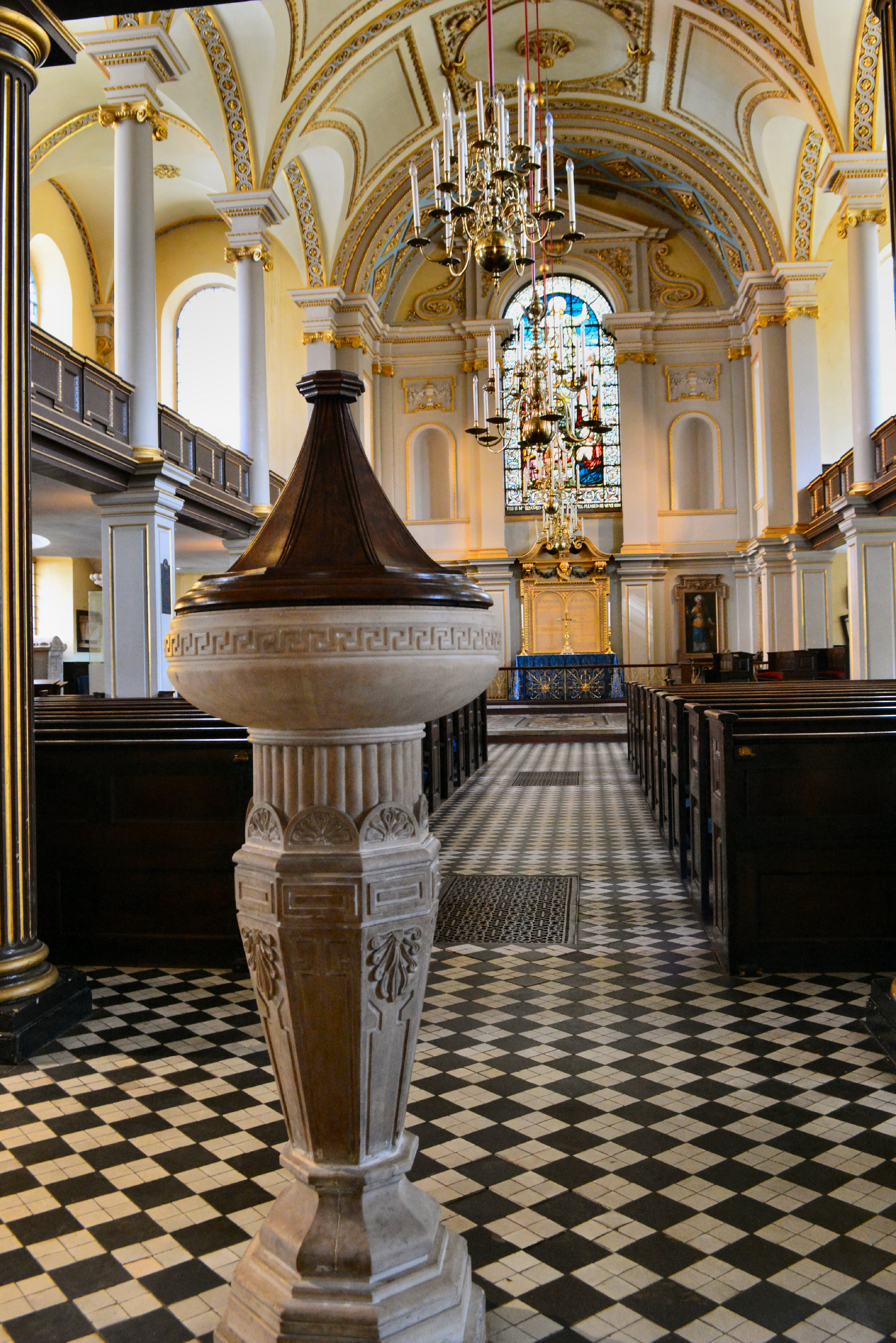
But then in the 1901 census we find them living at 27 New Compton Street within a stone’s throw of the church where they were married. John continued as a French polisher while Ellen now had their four-year-old daughter, Hilda Eleanor to look after. It would have been a short walk to the church for their baby’s christening which we know took place there on 28 March 1897, around a month after her birth in February. She was baptized in the white marble font near the entrance, dating from 1810 that has been attributed to the architect and designer Sir John Soane. It is the same font where the two children of poet Percy Bysshe Shelley and his wife, feminist writer Mary, were christened, as well as (on the same day) the illegitimate child of Lord Byron.
It’s interesting to note that on the day of the 1901 census the Wheatleys had a 60-year-old French cook, Louis Vergnaud visiting, while amongst the other families living in their building there was an Italian pastry cook. This part of London was fast developing as a place for high class entertainment, hotels and fine dining, a long way from its infamous notoriety of the 18th and 19th centuries, when these slums earnt the nickname of the ‘St Giles Rookery’.
By the early years of the 20th century, the family had moved out of the city to Hammersmith, a former hamlet which had been developing rapidly since the Metropolitan railway line reached there in 1864. It became part of the county of London in 1889. In 1911, the Wheatleys were living at 47 Rednall Terrace, Great Church Lane and later moved a few doors down to number 35. The street is no longer in existence being bulldozed to make way for the Hammersmith flyover and its original location is close to Barons Court Underground station.
During his latter working life, John was a Furniture Porter. The demand for French polishing had been decreasing. It was a highly labour-intensive procedure to create a high gloss surface using shellac, particularly popular in the Victorian era. Instead, he assisted the Furniture Salesman at James Hunt & Company, Furniture and Drapery at 42-70 King Street, Hammersmith. His previous experience would mean he would know how best to move and transport fine furniture. His place of work was discovered through the 1921 census return which also revealed that their boarder at the time was 24-year-old William Richard Wetheridge, a General Porter at John’s work. John and Ellen’s daughter Hilda, also 24, was now a Dispatch Clerk at Ponting’s, once a well-known department store in High Street Kensington. Three years later Hilda and William were married – was this how they met?
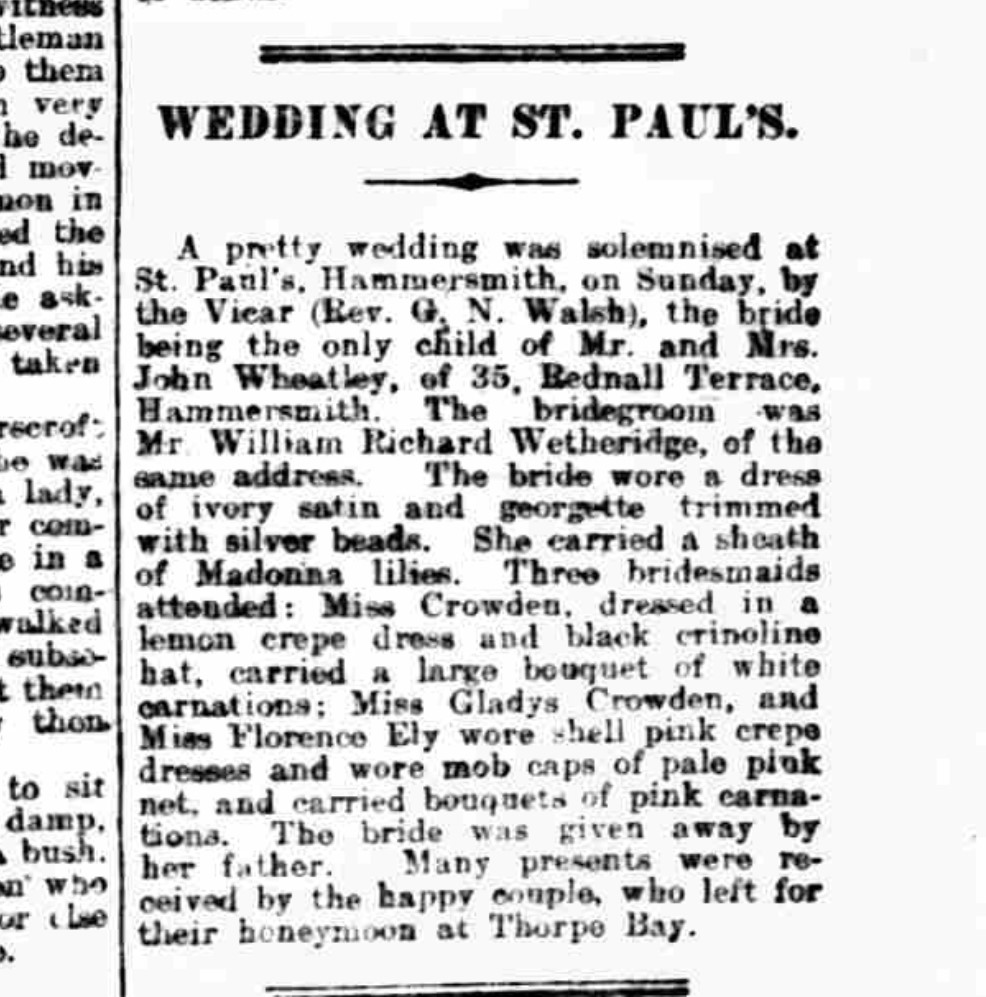
Hilda became Mrs Wetheridge on 14 September 1924 at St Paul’s Church, Hammersmith. Dating from the 17th century, the church was rebuilt in 1880 in the early English Gothic style with an imposing tower. Today, it lies close to the Hammersmith flyover on Queen Caroline Street, a short walk from Hammersmith tube station.
Hilda’s wedding was reported in the West London Observer, noting the bride’s dress, (‘of ivory satin and georgette trimmed with ivory beads’) and those of her 3 bridesmaids (lemon and shell pink crepe). Two of the bridesmaids were the Crowden sisters, the third was Florence Eley. Further research has indicated that the Crowdens were the Wheatleys’ next-door neighbours living at number 36 Rednall Terrace, while the Eleys had at one time shared number 35 with them. The article also tells us that the couple had their honeymoon at Thorpe Bay (a seaside resort with a sandy beach, just east of Southend on Sea in Essex, and accessible by train).
Hilda was an only child, but we know she had a brother or sister who died in infancy (according to the 1911 census). Sadly, she died childless in 1930 only six years after her marriage, not quite reaching her 33rd birthday. Her mother Ellen died just a year later in 1931, and John in 1937. Hilda’s husband William remarried Ivy Lydia Humphreys in 1953 and they remained in the Hammersmith area where he died in 1984, and she in 1992. Through family trees posted on Ancestry I have learnt that they were known as Bill and Lyd. These are the tiny but precious gems to be found when sharing ones family tree online.
Hilda was Nanna Cockrill’s (aka Aunty Florrie’s) first cousin, one of 23 on the Pursell side. However, we wonder how often their paths may have crossed, if at all. Hilda’s life in Hammersmith was literally a world away from that of her East End cousin. At the time of the 1921 census, held on the night of 19 June, Nanna C or ‘Florence Cockrill’ as she was listed, was almost 30 and had been married less than a year. Husband Ernie, five years her junior, was then a Collector and Canvasser for a local Coal Merchants. Within four months they would be first time parents, when my dad arrived on 17 October. But that’s a story for another day.
 Butchers, Bakers but No Candlestick Makers (so far)